About Massage Therapy

Massage therapy is a recognized healthcare profession that promotes physical and mental well-being through hands-on techniques designed to relieve pain, reduce stress, and improve mobility.
Registered Massage Therapists (RMTs) in Saskatchewan must complete a minimum 2,200-hour education program and adhere to strict professional standards to ensure safe and effective treatment.
Benefits of Massage Therapy
Massage therapy is used to treat a variety of conditions, including:
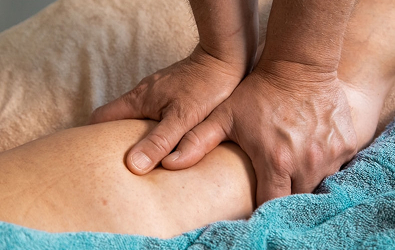
Chronic Pain Management

Stress and Anxiety Reduction
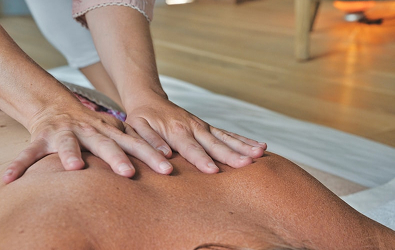
Post-Injury Rehabilitation
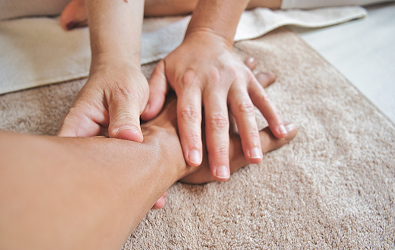
Improved Circulation

Sports Performance & Recovery

Prenatal & Postnatal Support
What to Expect During a Massage Therapy Session
A typical massage therapy session includes:
Initial Consultation
Assessment & Treatment Plan
Massage Treatment
Post-Treatment Recommendations
MTAS RMTs follow strict professional guidelines to ensure client comfort, privacy, and ethical treatment.
Personal Health Information & Confidentiality
All MTAS members must comply with:
- The Health Information Protection Act (HIPA)
- The Personal Information Protection and Electronic Documents Act (PIPEDA)
Patient records are confidential and stored securely. Therapists may only share information with patient consent or when required by law.
Insurance Coverage for Massage Therapy
Many private health insurance plans cover massage therapy services when performed by an MTAS-registered RMT. Coverage varies by provider and may require:
- A doctor’s referral (depending on the plan)
- Direct billing or reimbursement procedures
- Coverage limits based on annual benefit caps
Patients should check with their insurance provider for specific details.
Massage Therapy Awareness Week
Massage Therapy Awareness Week promotes the benefits of professional massage therapy and encourages the public to seek care from qualified RMTs.MTAS members participate by:
- Hosting educational workshops and events
- Sharing public awareness campaigns
- Providing discounted or promotional treatments
Research & Evidence-Based Practice
MTAS encourages the use of evidence-informed practice (EIP) to ensure high-quality patient care. Members have access to:
- Clinical research studies on massage therapy outcomes
- Best practice guidelines for treatment protocols
- Continuing education courses focused on scientific advancements